The numbers are in. Paren’s Q4 2025 State of the Industry Report confirms what the data has been showing for years: EV charging infrastructure is growing fast, but quality is what separates the networks that thrive from those that struggle.
Here’s what these numbers mean for the industry and why the opportunity ahead favors operators who prioritize experience over volume.
The Big Picture: 18,000 New Ports, One Clear Lesson
2025 was a landmark year for EV charging infrastructure. Over 18,000 new DC fast charging ports came online across the U.S., representing 30% year-over-year growth. Q4 alone added nearly 5,800 ports. That’s genuinely significant progress.
But the more important story isn’t about quantity. It’s about what’s happening once those chargers are in the ground.
Execution, not price, is what drives utilization.
Networks with better reliability, better uptime, and better customer experience consistently outperform cheaper alternatives. Drivers aren’t hunting for the lowest kWh rate. They’re hunting for chargers that actually work, in locations where they feel comfortable spending 20 or 30 minutes.
This challenges assumptions the industry has operated on for years. The race to deploy the most chargers at the lowest cost dominated strategic thinking. What the data increasingly shows is that deployment without quality is a losing strategy.
Demand Is Outpacing Supply
Across major EV markets, utilization rates tell the story of supply constraint. Los Angeles sits at 30.7%. San Diego at 26.0%. Las Vegas leads nationally at 34.8%. These aren’t numbers that say “we have enough chargers.” They say “we need more, and we need them to be better.”
When chargers in major metros are occupied a third of the time, that’s not healthy utilization—that’s a sign of unmet demand. Drivers are competing for charging spots at busy stations. They’re planning routes around charger availability, not just charger existence.
Meanwhile, reliability varies wildly by operator and region. Some networks scored above 90 on Paren’s reliability metric. But 24 states actually saw reliability decline this year. The gap between well-run networks and everyone else is widening.
The supply gap isn’t going to close anytime soon. Permit timelines, utility interconnection delays, real estate constraints, and construction costs all throttle how quickly new infrastructure can come online. The chargers that do get built need to deliver.
Quality Is No Longer Optional
The regulatory landscape is shifting to match market realities.
New state-level mandates are requiring 97% uptime for publicly funded DCFC ports. Reliability assessments are becoming standard. Networks that can’t maintain their equipment will be held accountable.
The era of “install it and forget it” is over.
For years, some operators treated deployment as the goal and maintenance as an afterthought. Build it, report it, move on to the next site. Whether the chargers actually worked six months later wasn’t always a priority. The result was a landscape littered with broken equipment, error codes, and frustrated drivers who learned to distrust public charging infrastructure.
The new regulatory frameworks change that calculus. Uptime matters. Reliability gets measured. Operators who cut corners on maintenance will face consequences.
But the market was already moving in this direction. The Paren data shows it clearly. Networks with better reliability see better utilization. Drivers will pass cheaper options to get to stations they trust. They’ll pay a reasonable premium for the confidence that they won’t waste their time.
Private Capital Is Driving Growth
One finding from the report deserves special attention: NEVI funding accounts for just 3% of new port growth.
All the federal funding, all the state matching programs, all the bureaucratic infrastructure built around public money—and it’s producing 3% of actual deployment.
The real momentum is coming from private operators who see the long-term value in getting this right. Companies willing to invest their own capital because they believe in the market opportunity.
This matters for several reasons.
First, it shows that the charging market isn’t dependent on government subsidies to grow. The underlying economics work. EV adoption is accelerating, charging revenue is real, and investors see returns.
Second, it creates accountability. When operators spend their own capital and their investors’ capital, they care about whether stations perform. They care about customer experience because customers choose where to charge. There’s no hiding behind grant metrics and compliance checkboxes.
Third, it means the competitive landscape is intensifying. The best-capitalized, best-operated networks are going to pull ahead. Quality is a differentiator, and differentiation creates defensibility.
What This Means for Rangeway
This is exactly why we built Rangeway around hospitality from day one.
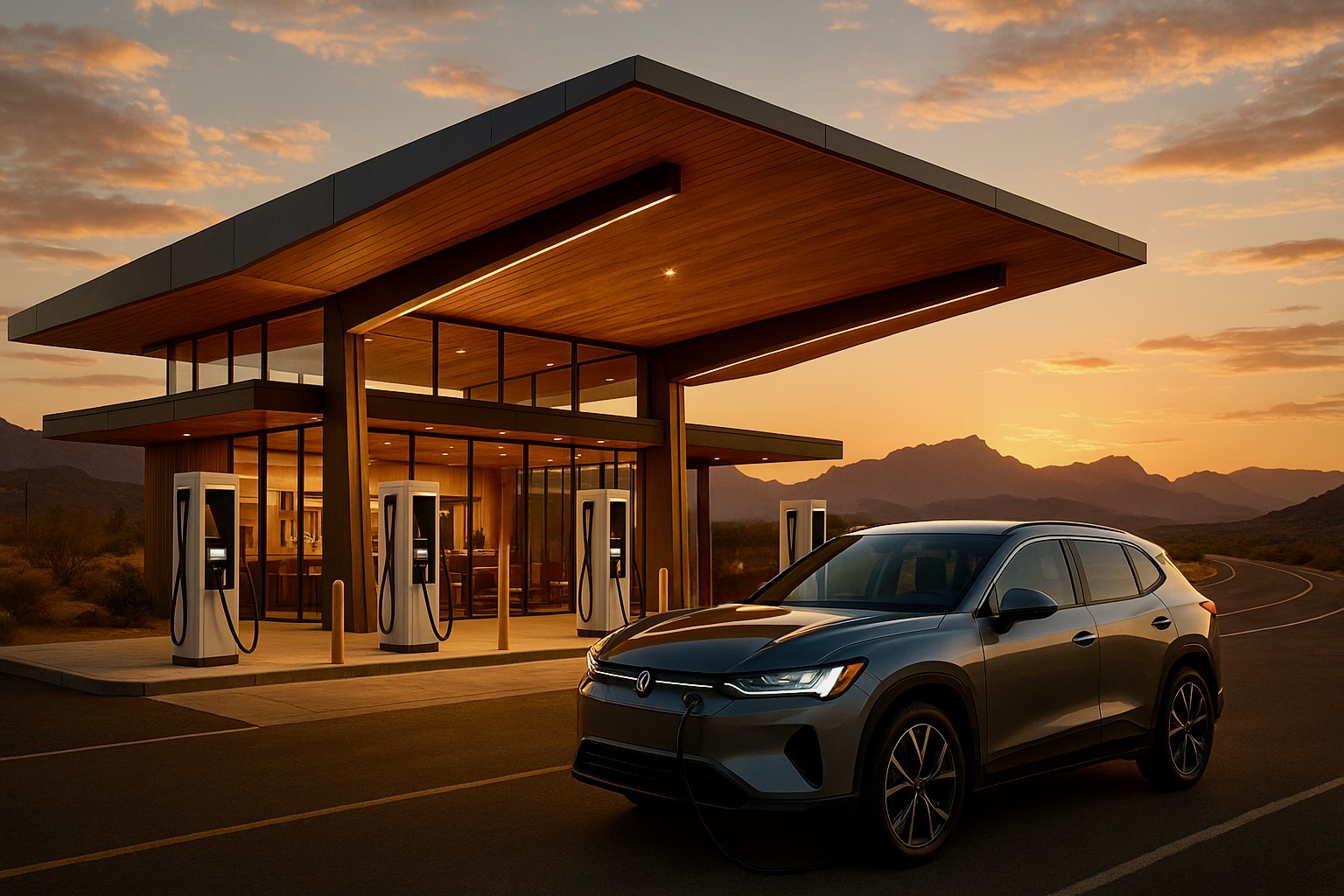
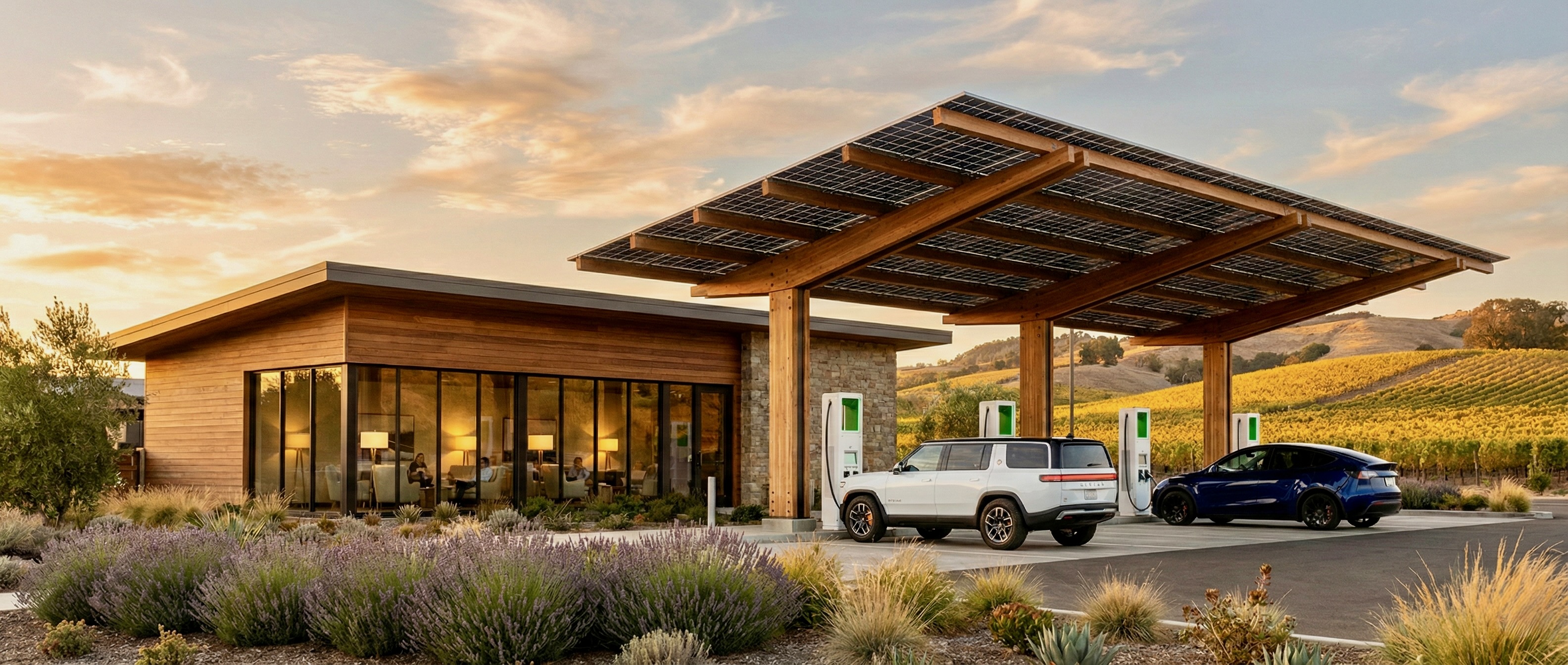
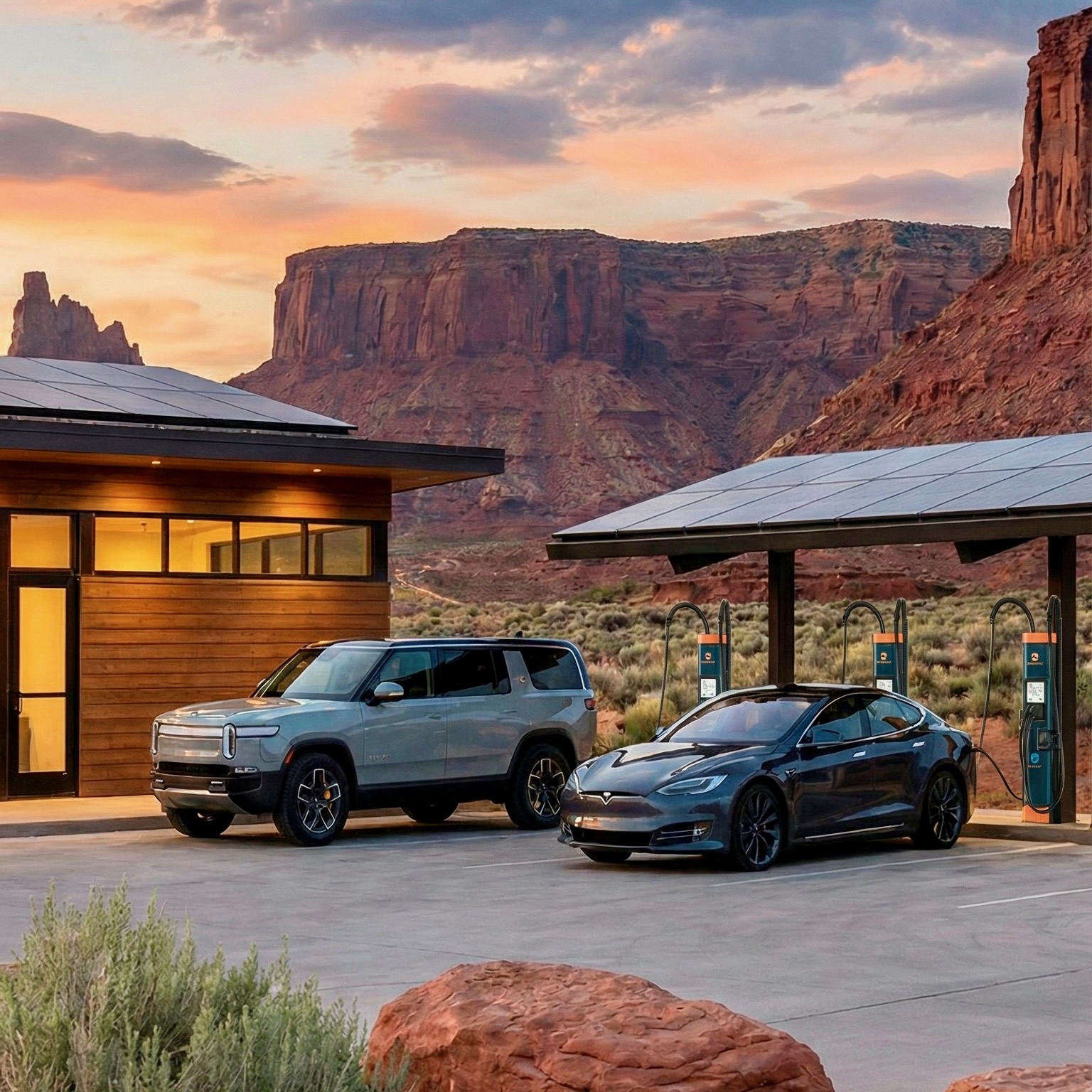
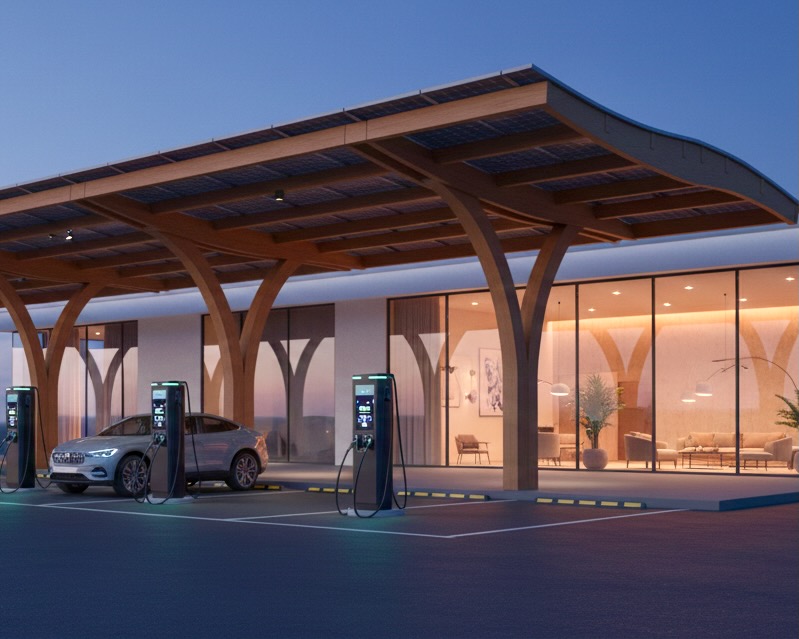
Indoor Driver’s Lounges at every location. Not a vending machine next to a charger. Real spaces where drivers can work, relax, or grab a coffee while their vehicle charges. Climate-controlled year-round, regardless of weather conditions.
Hospitality-first operations. We think like hotel operators, not utility companies. Every touchpoint matters, from wayfinding to arrival experience to what drivers do during their stay. We evaluate locations based on experience potential, not just traffic volume.
Reliability as foundational. 97% uptime isn’t our regulatory requirement—it’s our floor. Our operational model is designed around maintaining service standards, not hitting deployment targets and moving on.
The data validates what we’ve believed from day one: drivers will pay for quality. They’ll drive past three cheaper options to get to the one that works every time and treats them like a guest, not a transaction.
This isn’t just about treating people well. It’s the foundation of every successful hospitality brand. The networks that understand this will build sustainable businesses with loyal customers and defensible market positions. The commodity players will find themselves in an endless price war, hoping that scale alone can save them.
The Opportunity Ahead
The numbers point to clear conclusions:
Demand outstrips supply in key markets. EV adoption continues to accelerate, and the charging infrastructure has to keep pace—not just in quantity, but in quality. Every charger that breaks, every station that disappoints, every driver who has a bad experience damages the entire ecosystem’s reputation.
The market is sorting winners from losers. Quality networks are seeing better utilization. Poor performers are struggling even where demand exists. The next few years will see consolidation, with well-run networks absorbing or outlasting those that can’t deliver.
Experience investment pays off. The networks that understand EV drivers are guests, not just sources of kWh revenue, will build the most valuable brands in the industry. The winners won’t be those who race to the bottom on price.
The shift happening right now isn’t just about charger counts or port deployments. It’s about recognizing that charging is a hospitality problem, not a utility problem. The industry spent a decade deploying infrastructure. Now it needs to learn how to actually serve the humans who use it.
That’s where the opportunity lies. That’s where the future is being built.
Rangeway is building America’s first hospitality-driven premium EV charging network. Learn more at rangewayev.com.