I bought my first electric vehicle in 2014. It was a Tesla Model S. At the time, I was one of eight Tesla owners in the entire state of Tennessee. We knew each other, or knew of each other, because there were so few of us that you could not really be anonymous about it.
A lot of things have changed in those twelve years. A few have not.
In the early days, charging on a road trip meant something different than it means today. The Tesla Supercharger network existed, but it was maybe a quarter of what it is now. You knew where every Supercharger was on your route, and you knew how far it was from the one before and the one after. The math mattered. The infrastructure rewarded planning.
Some hotels had Tesla destination chargers. Some did not. The ones that did were the ones you booked, even if the hotel itself was not your first choice. You learned which properties took the program seriously and which had a charger that had been broken for six months without anyone calling Tesla to fix it.
Road trips were possible. They just required more thought than the rest of the country was used to giving them. You did not pull off at any exit and assume there would be charging waiting for you. You routed around what existed, and you got good at it.
It was not for everyone. It was barely for anyone. The people who did it back then were a community by necessity. We needed each other. Eight Tesla owners in Tennessee meant you actually talked to the other seven. You traded notes. You compared which destination chargers actually worked. You helped each other plan trips. That same energy is what has carried the EV community forward through every wave since. NorCal EVs and the Bay Area Rivian Club continue the tradition today. The early adopters were a small group of people who had decided to live ahead of the infrastructure and had to help each other do it.
Some of the things that defined those years are gone now, and good riddance: the long detours to reach a Supercharger that was the only one for a hundred miles, the hotel destination charger that had been broken for months without anyone calling it in, the road-trip math you had to redo in your head before every leg, the cold-weather range hits that turned a planned stop into a nervous one.
Some of it is still here.
The car has changed completely. A premium EV in 2026 is a different machine than what I bought in 2014. Range is no longer the daily question. Charging speeds are real. The technology in the vehicle would have been science fiction at the start of this. Manufacturers got serious. Engineers solved the hard problems. The product caught up with the promise.
The stop did not change at the same pace.
Most fast-charging stops in this country are still a row of cabinets in a parking lot. The bathroom is in a different building if there is a bathroom. The seating is your driver’s seat. The weather is whatever the weather is. The food situation, if there is one, is whatever vending machine the operator could justify on the operating budget.
This is what bothers me. It bothered me ten years ago. It has bothered me at every charging stop in between. The car got premium. The session got faster. The owner got more sophisticated. The experience of being there for twenty or thirty minutes stayed almost exactly the same as it was when there were eight Tesla owners in Tennessee.
There is a reason for that, and the reason matters. Most charging operators come from infrastructure. They think about uptime, throughput, kilowatt-hours, megawatts, interconnection. These are real and important things and the industry would be in worse shape without people who think about them. The problem is that nobody from that background spends much time thinking about whether the lobby has good lighting. That is not the world they came up in.
I came up in a different world. Fifteen years in luxury hospitality operations teaches you a particular way of thinking about a guest. You think about every touchpoint. You think about what people notice and what they do not notice. You think about the moments where the experience either lands or it does not, and you obsess over the difference. You think about whether the cup is the right cup. Whether the chair is the right chair. Whether the person at the front of house is having a good day, because the guest can tell.
If you build a career around that kind of thinking, and then you spend twelve years watching your car charge in parking lots, you arrive at a conclusion. Someone needs to put these two things together.
That is the bet behind Rangeway. It is not a clever new business model. It is a refusal to accept that hospitality and charging have to be different industries. Hotels figured out a long time ago that the stop is the product. EV charging is going to figure this out too. The only question is who builds it first and who builds it best.
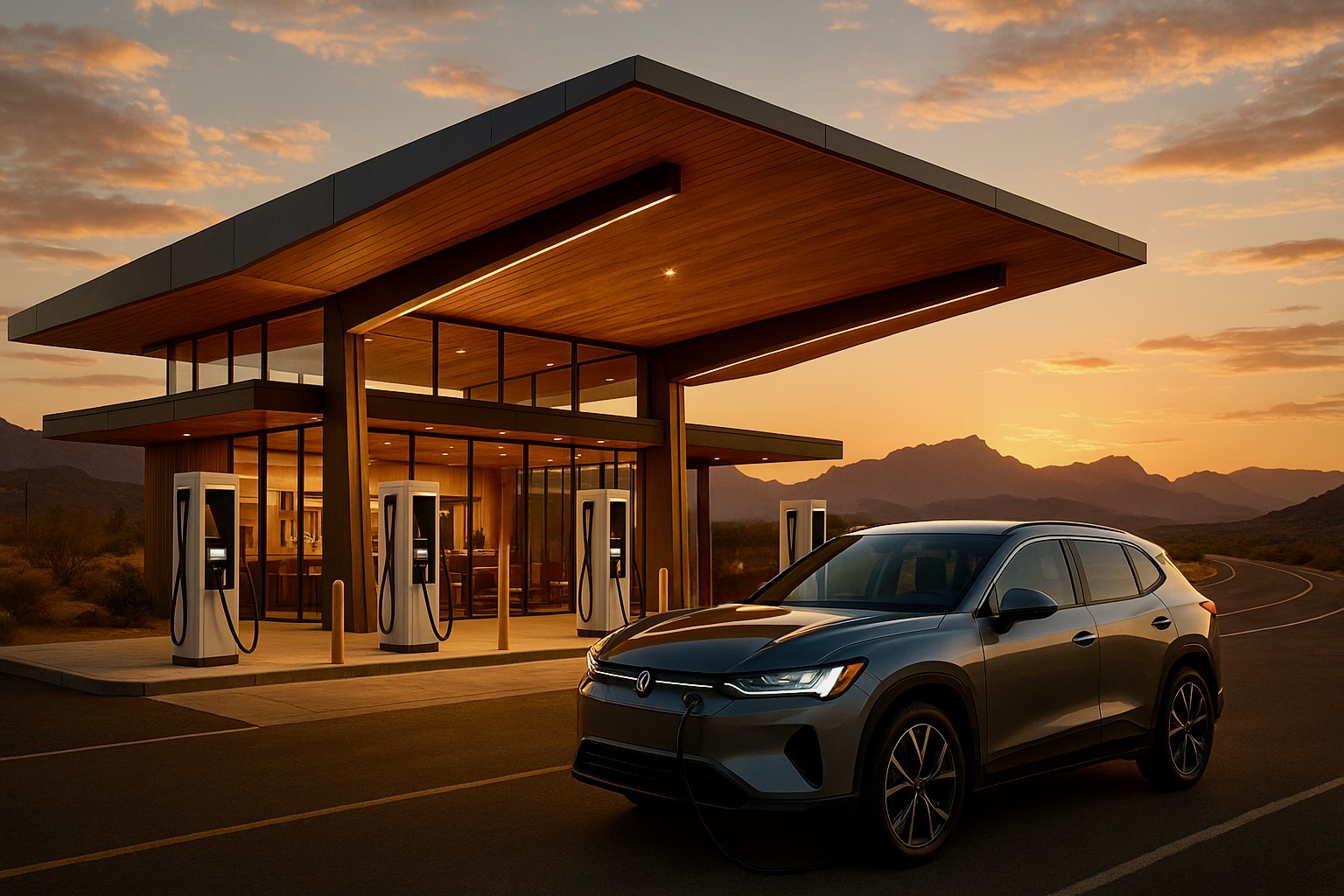
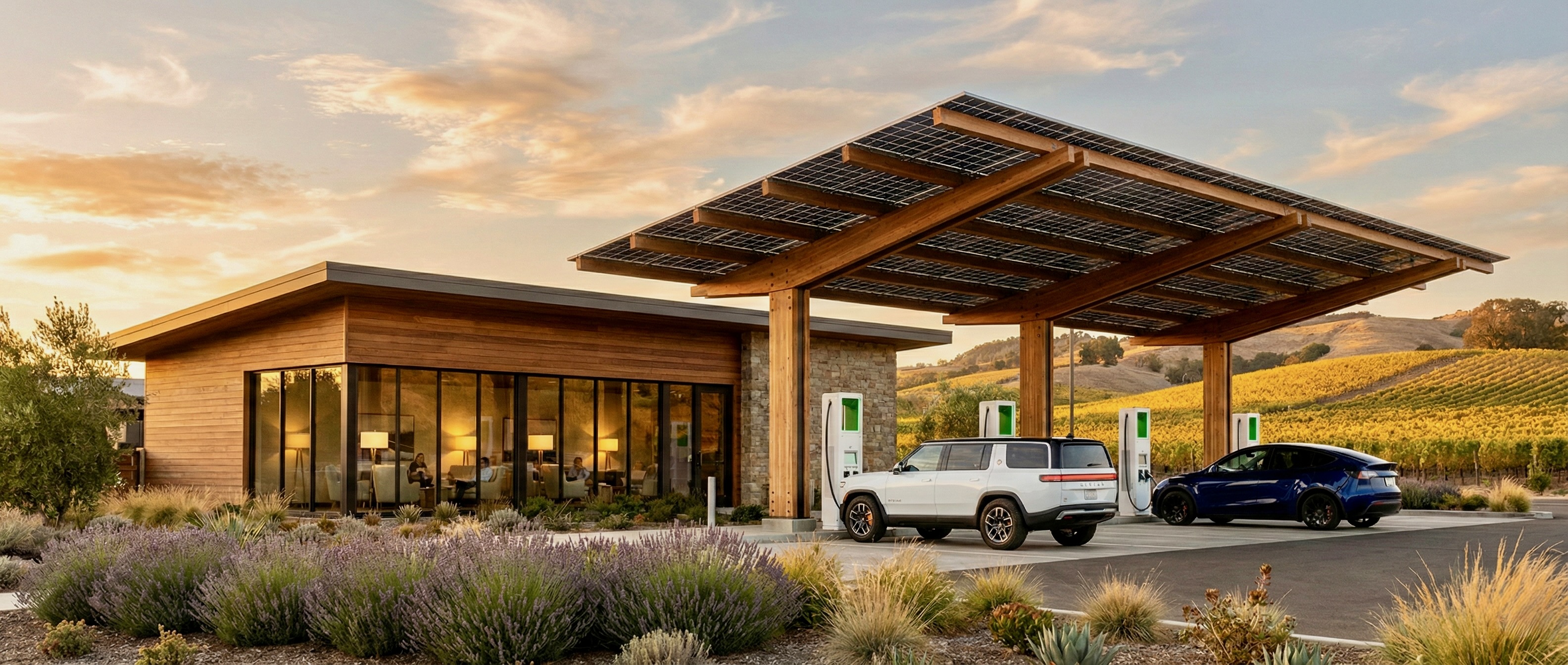
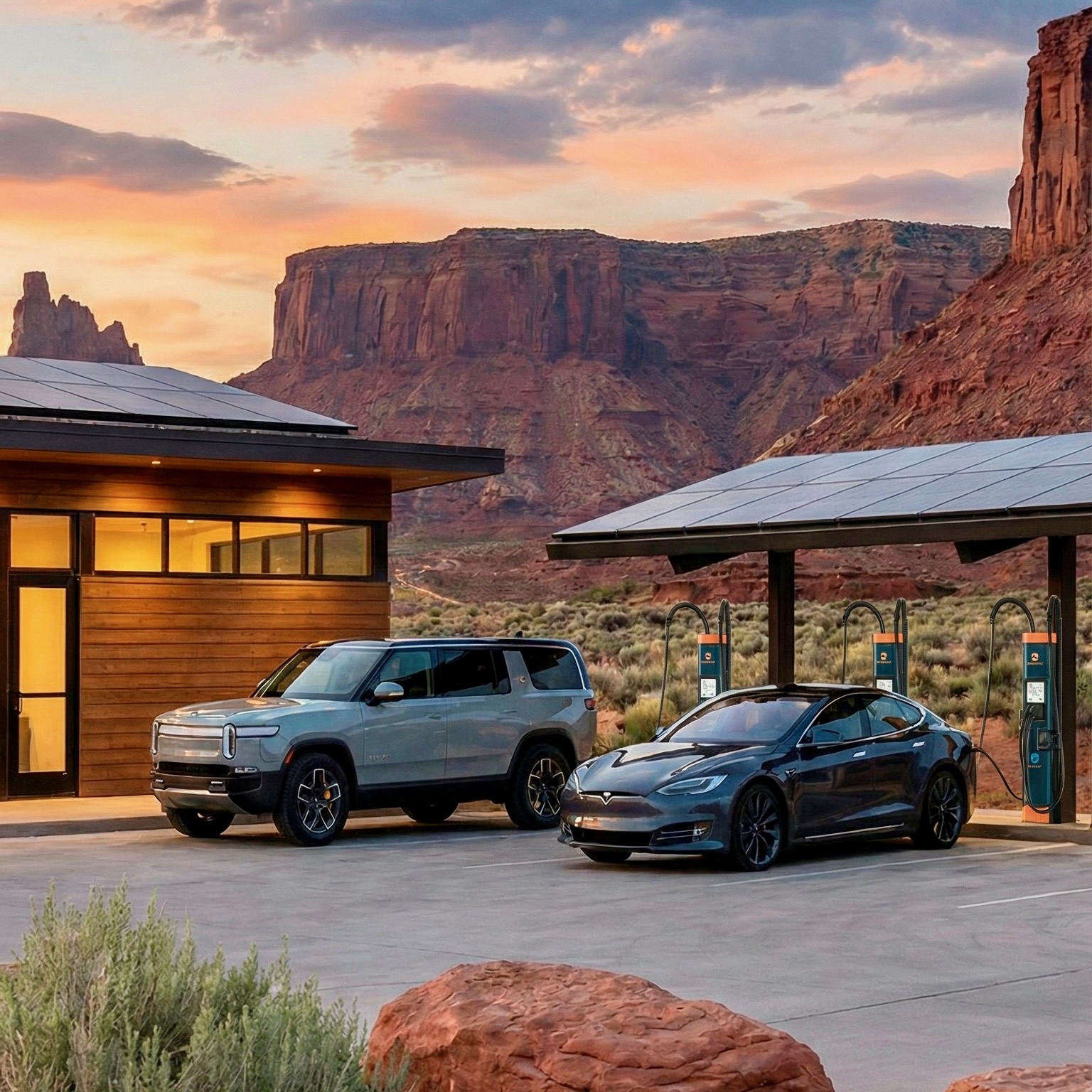
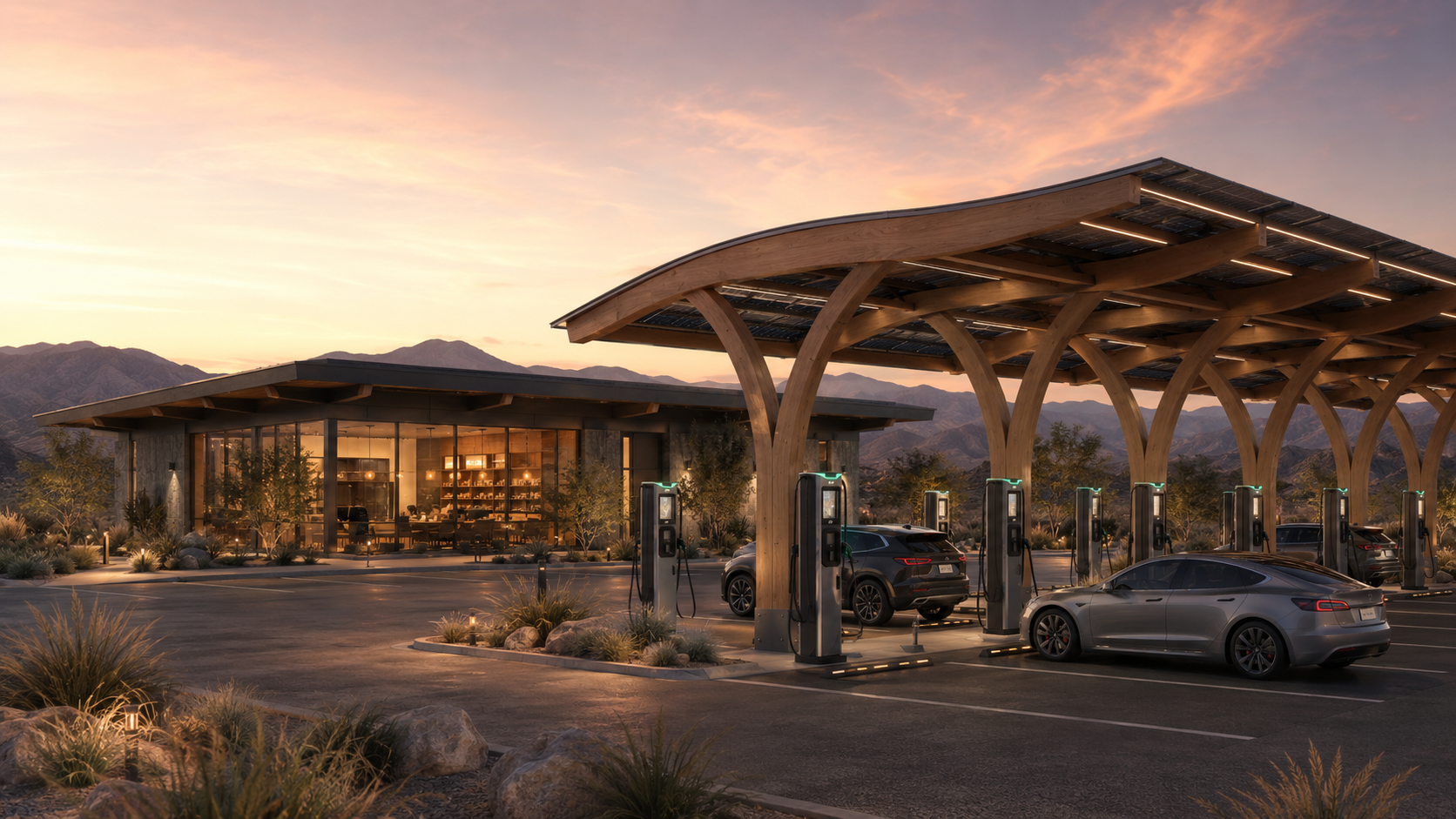
Indoor comfort is guaranteed at every Waystation and Basecamp. That means climate control, premium restrooms, real seating, real food and drink, and hospitality-trained staff. It means a driver’s lounge designed by people who have been on the receiving end of bad charging stops for more than a decade and are tired of it.
The cars are going to keep getting better. The batteries will keep improving. The interconnection problems will get solved. None of that is the missing piece anymore.
The missing piece is the stop, the thing the rest of the travel industry figured out a century ago.
If the next decade goes the way it should, the parking lot charging stop becomes a memory we tell newer drivers about, the way I now tell people about hotels with broken destination chargers and Superchargers a hundred miles apart. The next generation should not have to assemble their own road trip experience the way we did. They should walk into a space someone built for them and feel like the company actually wanted them there.
That is what we are building. It is going to take time. The first locations are what they are, the next ones get better, and over the long arc we close the gap between what an EV in 2026 can do and what stopping with one feels like.
Twelve years in, I am still doing the same thing I started doing then. I am driving electric. I am waiting for the rest of it to catch up. The difference now is that I get to build some of it.
Learn more about what we are building at rangewayev.com.